Figma Conference Config 2026
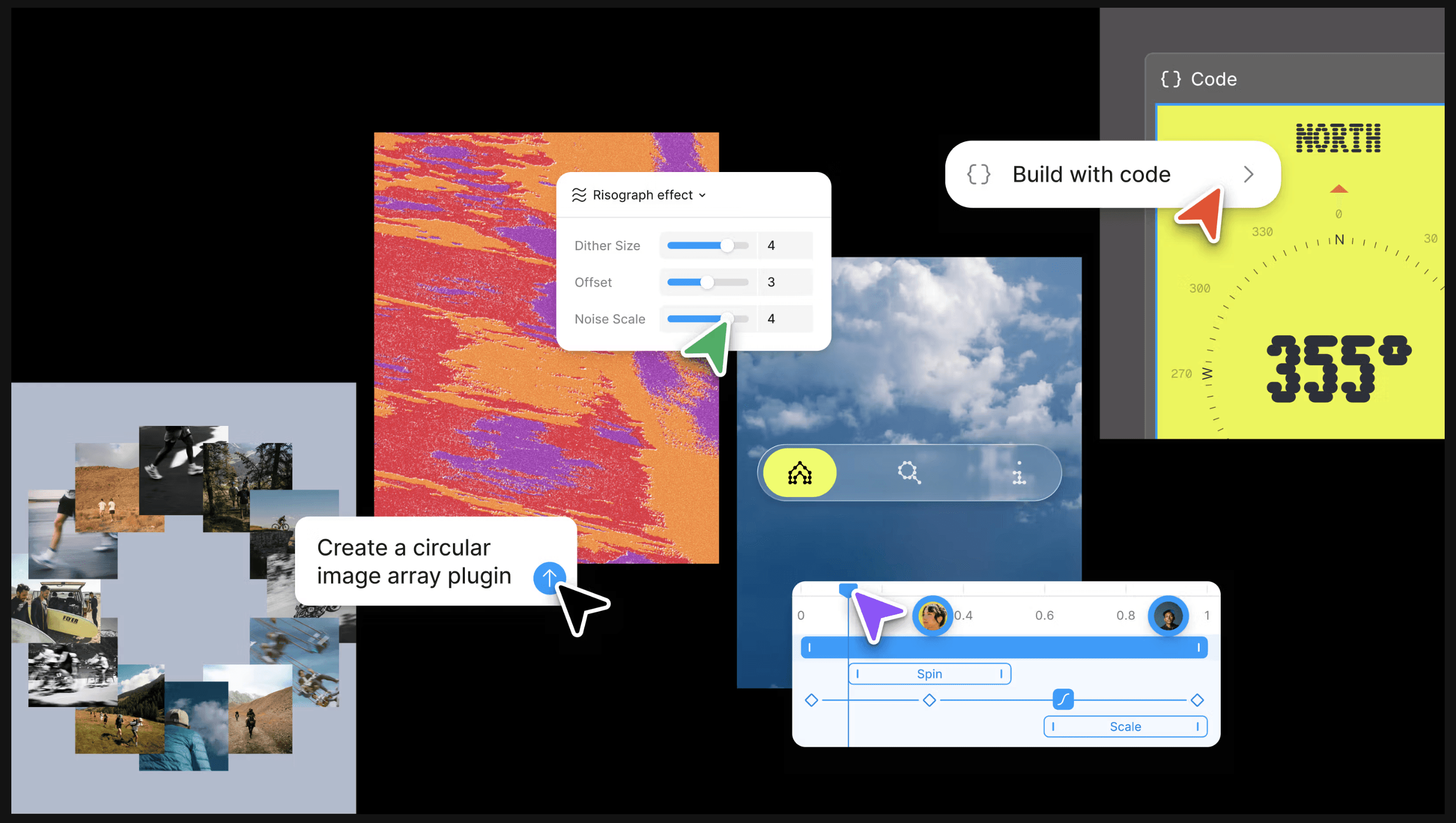
Config is a massive annual global design and technology conference hosted by Figma. The multi-day event takes place in San Francisco and brings together thousands of designers, developers, product leaders, and engineers from around the world. Config's key focus areas are: Product Innovation, Workshops & Keynotes and Community Networking.
Here's a quick look at everything announced at Config 2026:
Code on the Canvas
Figma Motion
Shader fills and effects
Generative plugins
Figma Weave
The Figma Agent
1. Code on the Canvas
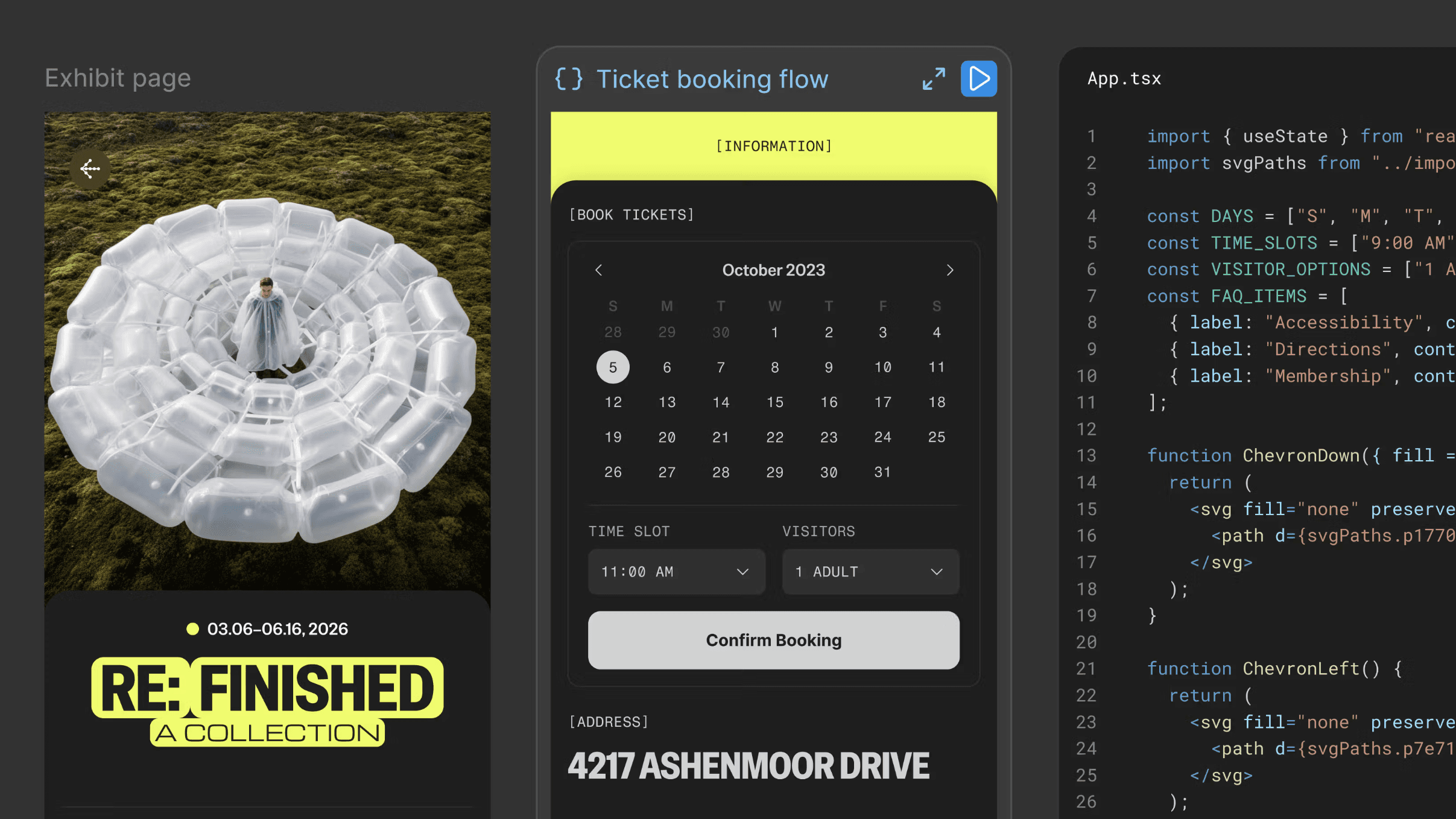
With code layers in Figma Design, you can explore multiple directions with code, side by side with your team.
Learn more about Code on the Canvas
2. Figma Motion
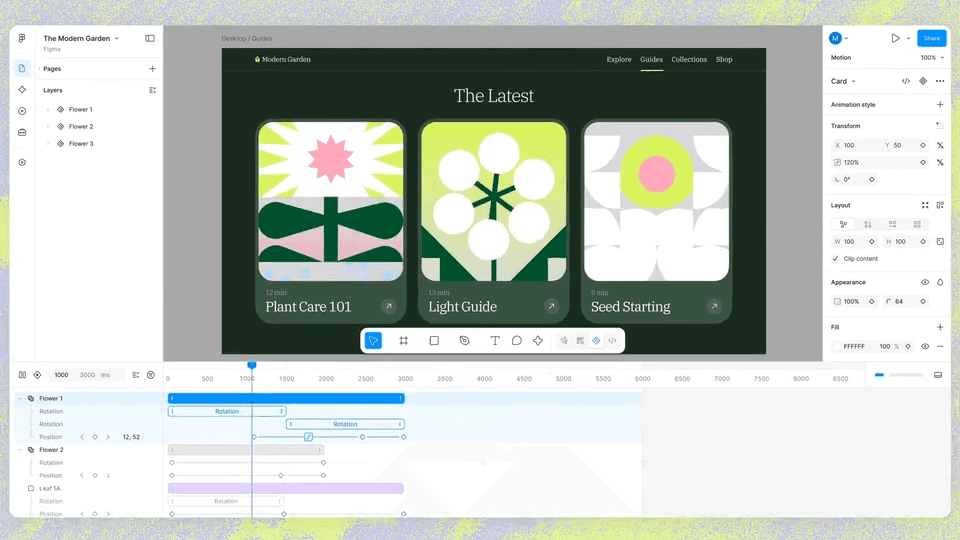
Figma Design added a timeline, including keyframes, presets and much more. You can build motion from scratch, layer it onto existing designs or ask the Figma agent to generate a starting point.
3. Shader Fills and Effects
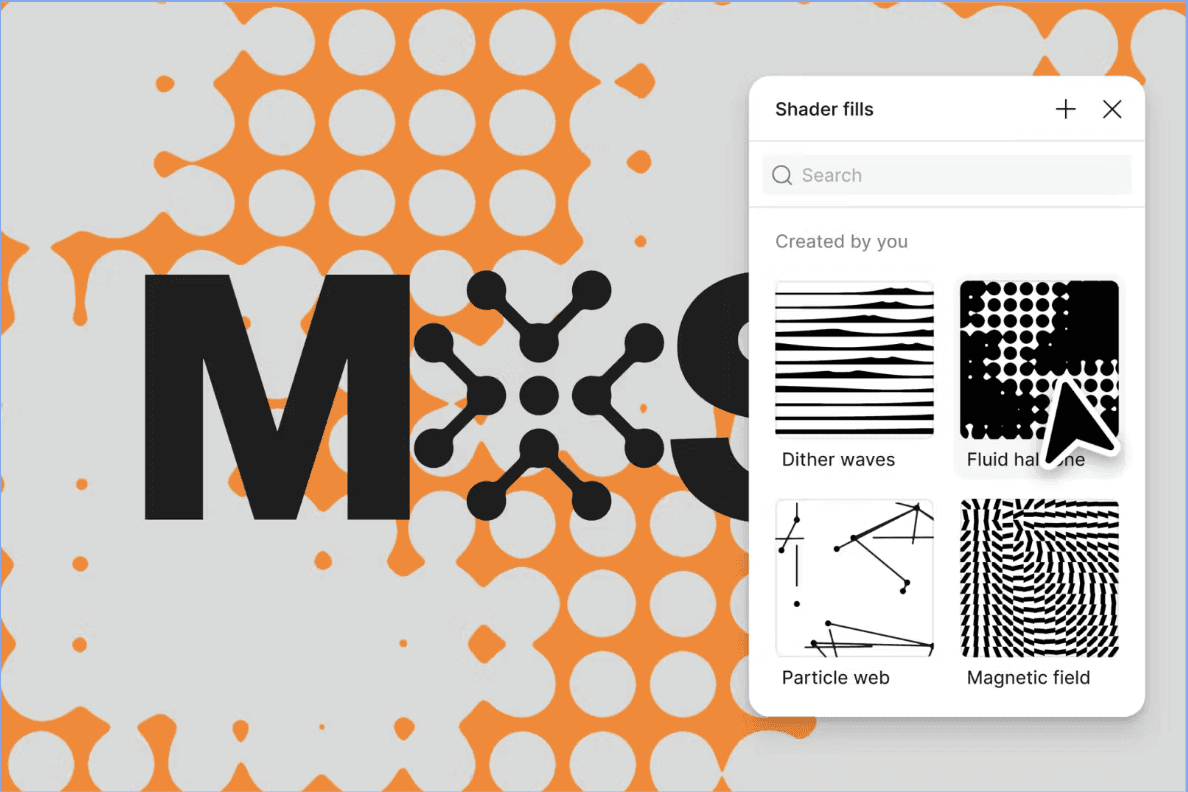
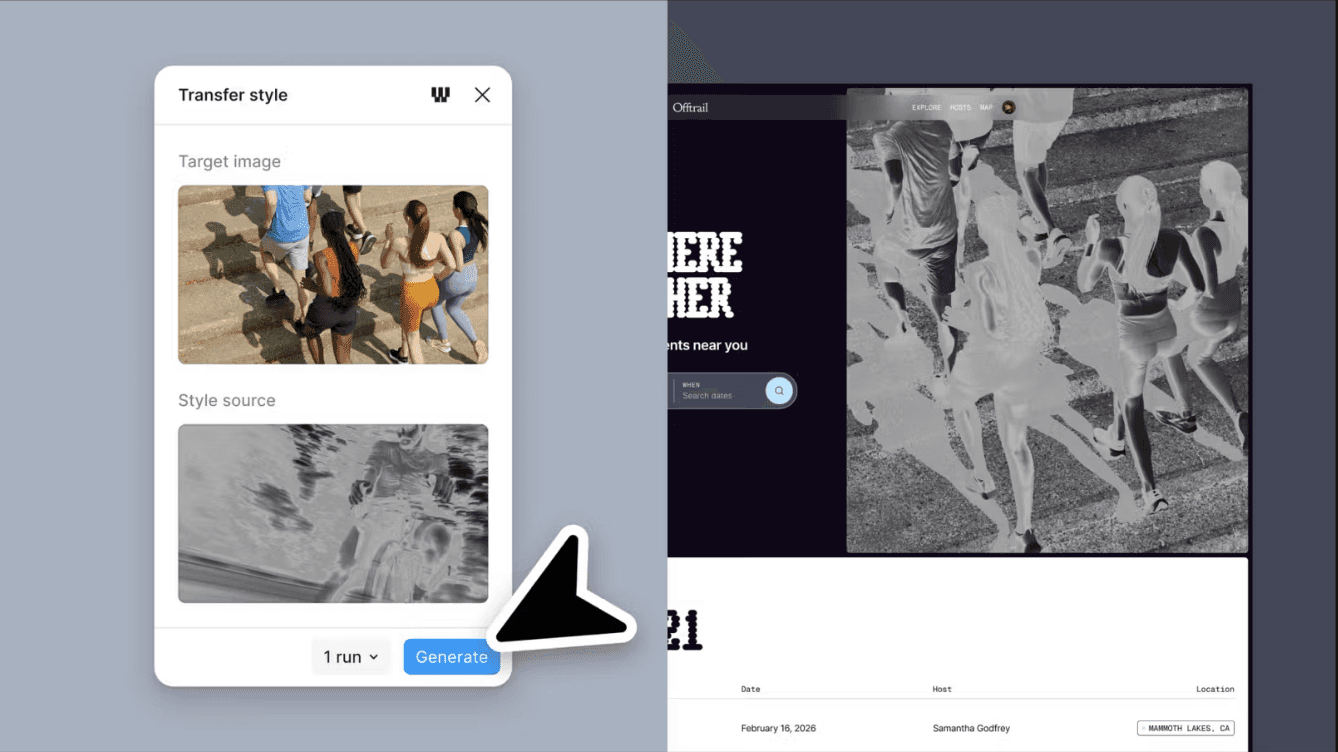
Now you can describe what you want, or use an image as a reference, and the Figma agent will build it for you. An effect transforms what’s already in the layer, and a fill acts as a new material. Because all of this is built with the Figma agent, shader fills and effects are parameterized by default. This allows you to add controls directly on the canvas and shape them in any way you want.
Learn more about Shader Fills and Effects
4. Generative Plugins
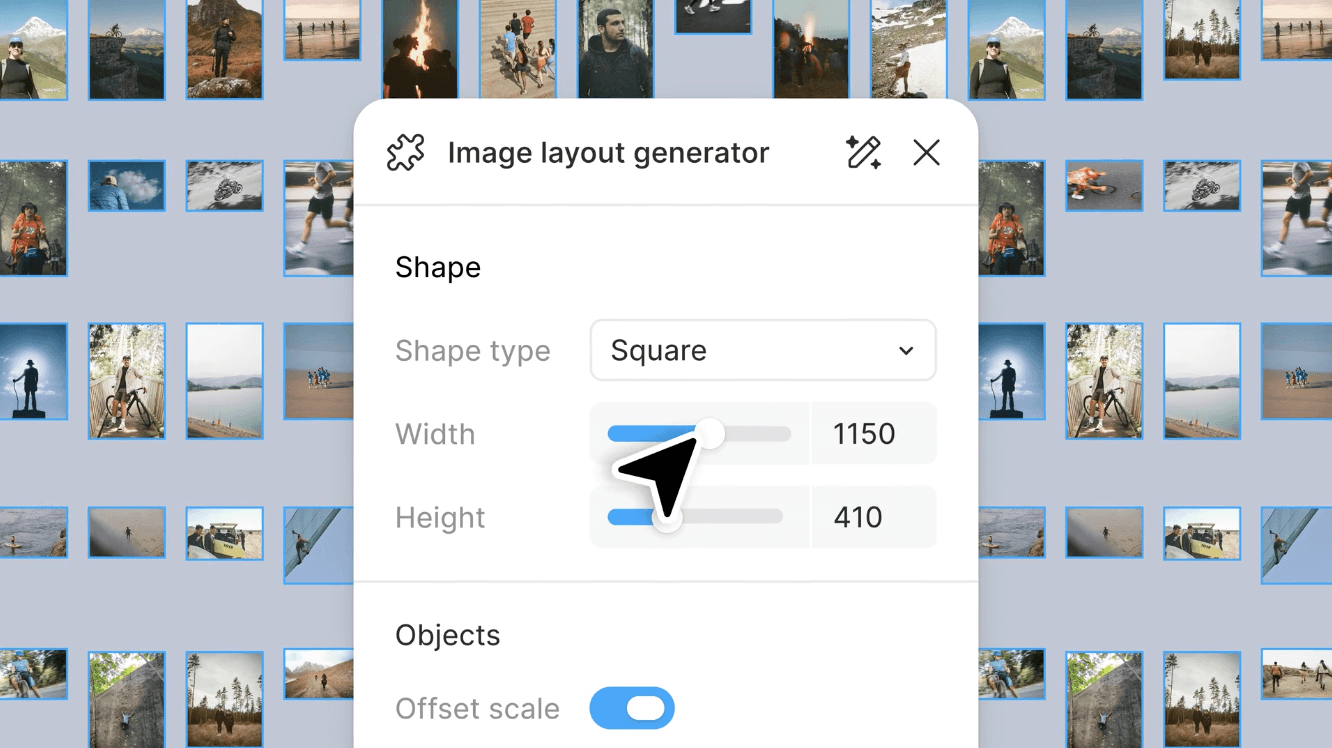
Every designer has unique workflows. Generative plugins make creating all the tools you want possible. To build a generative plugin, just describe the tool you need: the behavior, the controls and the parameters. No local dev environment or plugin API knowledge required. It feels native to the canvas just like any other Figma tool.
For both generative plugins and shaders, you can build something for yourself and share it with anyone in your file. Soon, you’ll be able to publish tools to your team, organization or the broader community.
Learn more about Generative Plugins
5. Figma Weave
To understand the logic your generations, you can explore the corresponding workflow in Figma Weave.
6. The Figma Agent
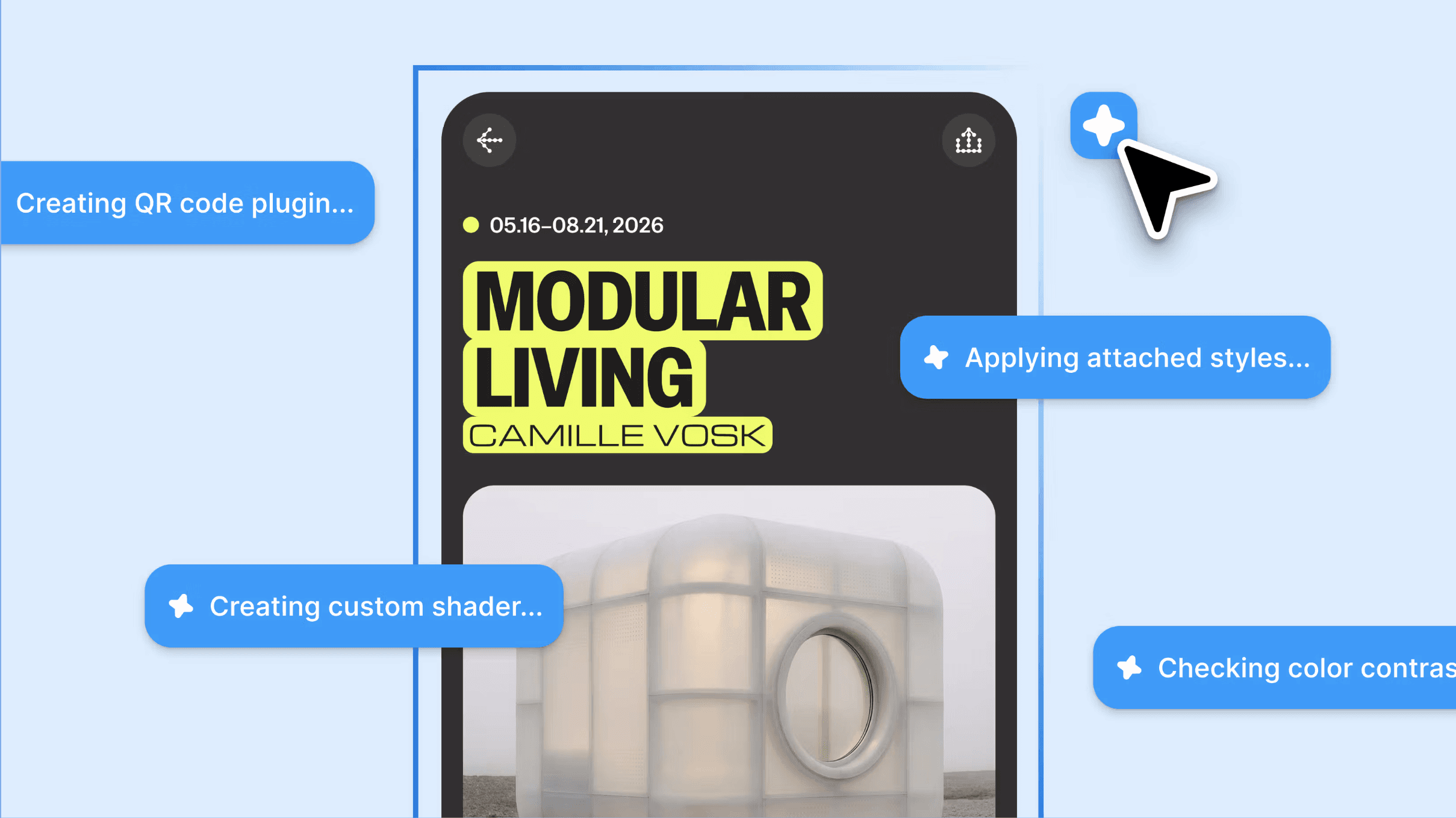
Where that collaboration gets interesting is on the Figma canvas itself—creating tools, effects, and experiences that wouldn’t have been possible before. The Figma design agent is now available to more users in open beta, giving you more flexibility, precision, and creative control over your work.
7. Figma Skills
Good prompts carry a point of view. Skills let you save that thinking, share it with your team, and put your creative direction to work beyond your own files. Skills are pre-built instructions that teach your AI agent how to handle common Figma tasks reliably, such as creating a new file, building a screen from your design system, or generating code from a design. Without skills, you'd need to describe each step yourself every time. With them, you can ask your agent to do something like "create a new Figma file" or "implement this design" and it already knows what to do.
"At past Configs, we’ve talked about AI lowering the floor and raising the ceiling. But while AI has lowered the floor, it has not raised the ceiling. Designers, creatives, builders: You will raise the ceiling."
You can take a look at the recordings from the entire conference here: https://config.figma.com/san-francisco/agenda/