Designing for Consistency
How to Keep Brand Design Consistent in 2026
A strong brand should be recognisable wherever people encounter it.
Your website, social media, signage, presentations and marketing materials don't need to look identical, but they should feel like they belong to the same brand.
As businesses grow, maintaining that consistency becomes harder. Different people create different assets, new channels require new formats, and AI tools make it easier than ever to produce content quickly—sometimes without considering whether it actually looks like your brand.
This is where brand design consistency matters.
Consistency isn't about restricting creativity. It's about creating a clear visual system that allows your brand to adapt while remaining recognisable.
Why does brand consistency break?
Most brands don't become inconsistent overnight. It usually happens gradually.
Someone uses a slightly different colour. A freelancer downloads an old logo. A new social media template introduces a different typography style. An AI-generated image doesn't quite match the rest of the brand.
Individually, these decisions may seem insignificant. Together, they can weaken your visual identity and make your brand feel fragmented.
Common causes include:
No clear brand guidelines
Too many versions of brand assets
Different people interpreting the brand differently
Inconsistent typography, colours or imagery
No central source of truth
New channels being created without considering the existing brand
AI-generated content introducing unrelated visual styles
The solution isn't more rules. It's a better system.
1. Create clear brand guidelines
Your brand guidelines should make it easy for anyone working with your brand to make the right design decisions.
At a minimum, document:
Logo: variations, sizing and usage
Colour: primary and secondary palettes
Typography: typefaces and hierarchy
Imagery: photography, illustration and icon styles
Layout: spacing, grids and composition
Voice: how your brand communicates
Good guidelines don't need to be a huge rulebook. They should be a practical reference that makes design decisions easier.
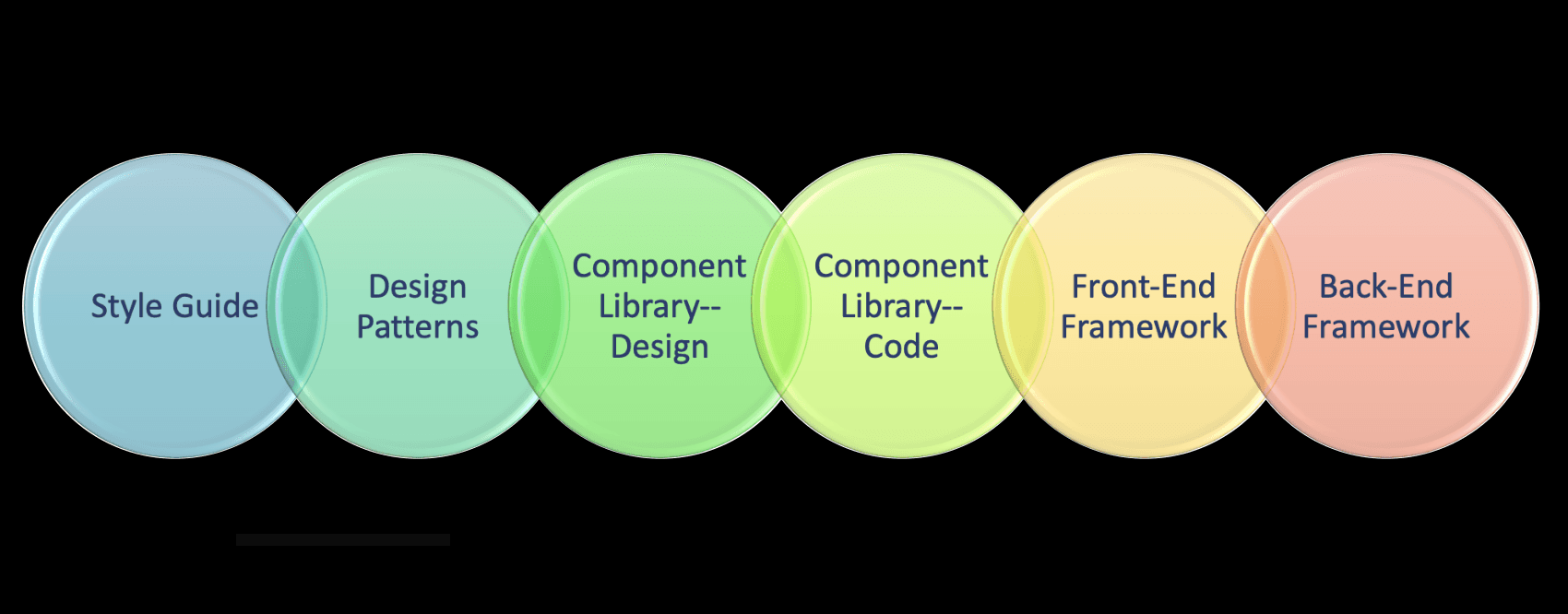
2. Turn your guidelines into a design system
Brand guidelines explain what your brand should look like. A design system helps people apply those principles consistently.
For digital brands, this could include reusable components such as buttons, forms, cards, navigation, typography styles, colour tokens and spacing.
For smaller businesses, a design system doesn't need to be complicated. A lightweight library of reusable components and decisions can make design faster while reducing inconsistencies.
Think of it as a shared source of truth for your brand.
3. Use templates for recurring content
If your business regularly creates social posts, presentations, proposals, newsletters or marketing campaigns, don't start from scratch every time.
Create templates that establish:
Typography
Colours
Logo placement
Image treatments
Layout
Calls to action
Templates provide structure without removing creativity. They help different people create new content while maintaining brand coherence.
4. Create one source of truth
Brand assets often end up scattered across Google Drive, Canva, Figma, email attachments and people's desktops.
That's a recipe for inconsistency.
Create one central place for your current:
Logos
Brand guidelines
Colours and typography
Images and illustrations
Templates
Design system components
It doesn't matter which platform you use. What matters is that everyone knows where the latest version lives.

5. Establish simple brand governance
Brand management isn't just for large organisations.
Decide who can create brand assets, who approves them and what happens when something new is needed.
A simple process can be:
Create → Review → Approve → Document → Reuse
This prevents every new piece of content from becoming an opportunity to reinvent the brand.
6. Use AI without losing your identity
AI can dramatically speed up content production, but it can also introduce visual inconsistency.
AI-generated content might suddenly introduce a different illustration style, colour palette, photography aesthetic or visual language.
The answer isn't necessarily to avoid AI. Instead, treat AI-generated content like any other brand asset.
Before publishing, ask:
Does this look and feel like us?
Your visual identity should remain the source of truth—not the tool you're using to create the content.
Consistency is a system, not a restriction
The strongest brands aren't consistent because someone checks every pixel.
They're consistent because they've created a system that makes good design decisions easier.
Brand guidelines establish the principles.
Design systems make them reusable.
Templates make production easier.
Governance keeps everything aligned.
Together, they help your brand stay recognisable as it grows across new channels, new teams and new technologies.
Your brand doesn't need to look exactly the same everywhere.
It needs to feel like the same brand everywhere.

Need help creating a more consistent brand?
At Balbuena Design, we help businesses create visual identities, brand guidelines and design systems that are easier to use, scale and maintain.
Because good brand management isn't about controlling every design decision.
It's about creating the clarity that makes the right decision easier.