
Top Design Systems in 2026
As a designer I have worked, contributed and helped build Design Systems for the better part of the last decade, and I have seen them evolve from small side-projects or experiments to becoming a "must have" for organisations building software. Design Systems grew because products grew. Teams needed clarity. Users needed consistency. Companies needed a way to scale without creating chaos.
What is a Design System.
A design system defines those foundations of a product's user interface. It brings multiple product experiences together under a single, unified framework. A Design System is a place to document visual and interactive elements like: Colour, Typography, Icons, Layout Grids, Navigation, Content, Accessibility, Tokens, etc.
A design system serves as a single source of truth that ensures that all design and development teams are aligned, enabling them to build unified products more efficiently.
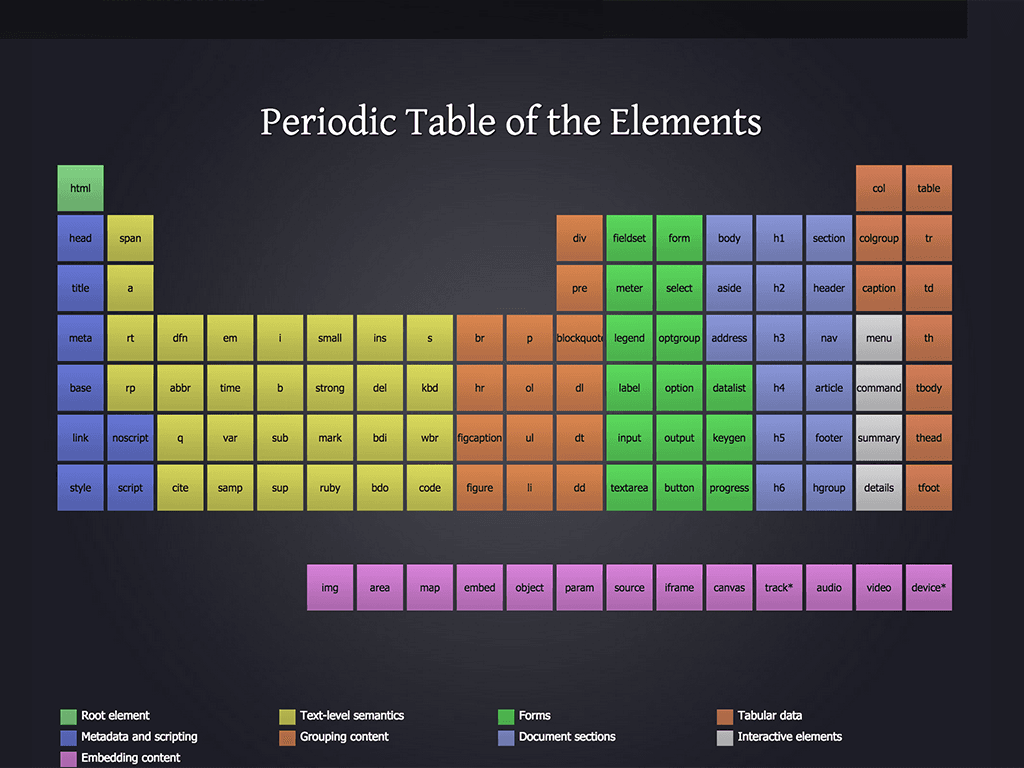
Similar to how all matter in the universe can be broken down into a finite set of atomic elements (periodic table) interfaces can be broken down into a similar finite set of elements. Josh Duck’s Periodic Table of HTML Elements beautifully articulates how all of our websites, apps, intranets, hoobadyboops, and whatevers are all composed of the same HTML elements.
Benefits of a design system
Having endless design options might sound ideal for designers and software engineers, but in reality it can be overwhelming, frustrating, and time-consuming. When creating an interface, you need to make countless decisions around layout, spacing, typography, and colour, and the number of choices can quickly become too much. That’s why having a clear system of predefined rules and reusable options is essential, it helps teams make faster, more confident design decisions.
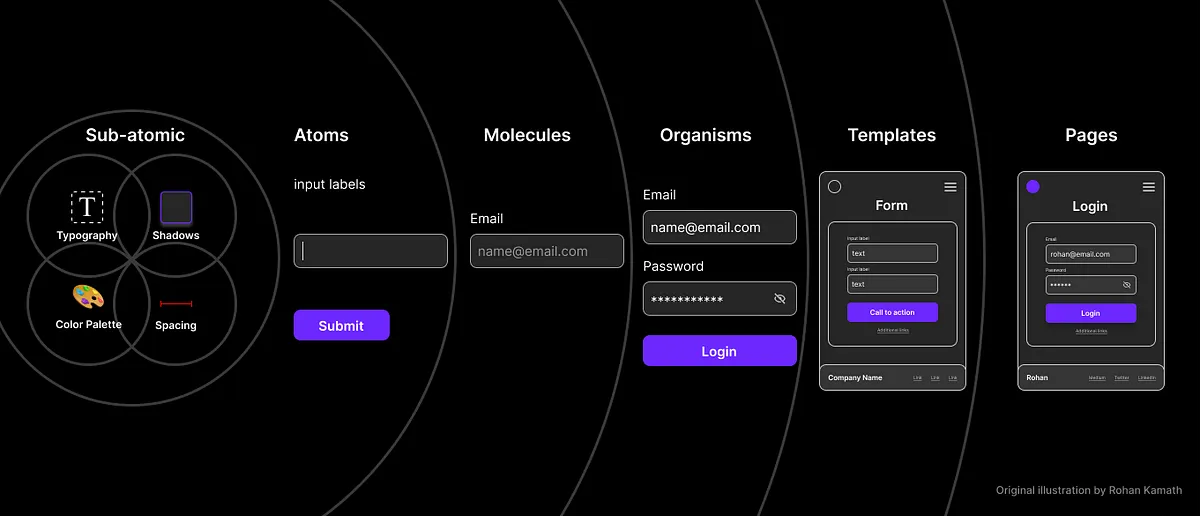
Whether you’re building a simple website or a large-scale web application, a design system is valuable for several key reasons:
Consistency: Creates a unified look and feel across products, improving the overall user experience.
Efficiency: Saves time by offering ready-made components and clear design guidelines.
Scalability: Provides a strong foundation that can grow as the product or brand expands.
Collaboration: Helps designers and developers work together more smoothly using shared standards and tools.
Quality control: Maintains high design standards and reduces mistakes, inconsistencies, and rework.
Top design systems in 2026
Here are some of the best design system examples to help you create or refine your own in 2026. Hopefully you’ll find them useful and inspiring. Each one is essentially a free UI design resource that shows how to design at scale and maintain consistency across multiple products and platforms.
GOV.UK Design System
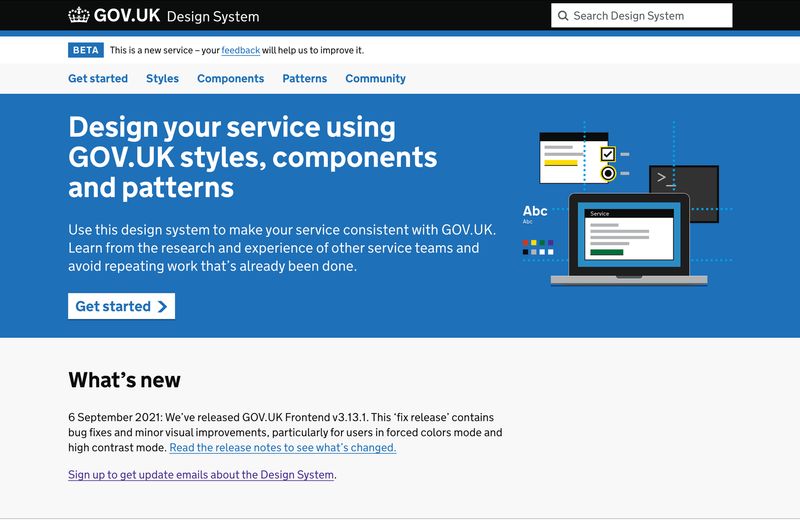
This was the first design system I explored in depth (outside of well-known ones like Google's Material and Apple's HDG), and is currently a foundation for other organisations, including Australia's Design System by the DTA and the Queensland Government. The entire system is strongly grounded in evidence, research, and accessibility, which keeps the system clear, practical, and easy to use. It’s also a great reminder that for high-stakes services, simplicity is often the most scalable approach.
Uber Base Design System
I discovered Uber's Design System recently and I love how mature and well documented it is. The Base design system defines the foundations of user interfaces across Uber's ecosystem of products & services. It brings all Uber experiences together under a single, unified framework.
Atlassian Design System
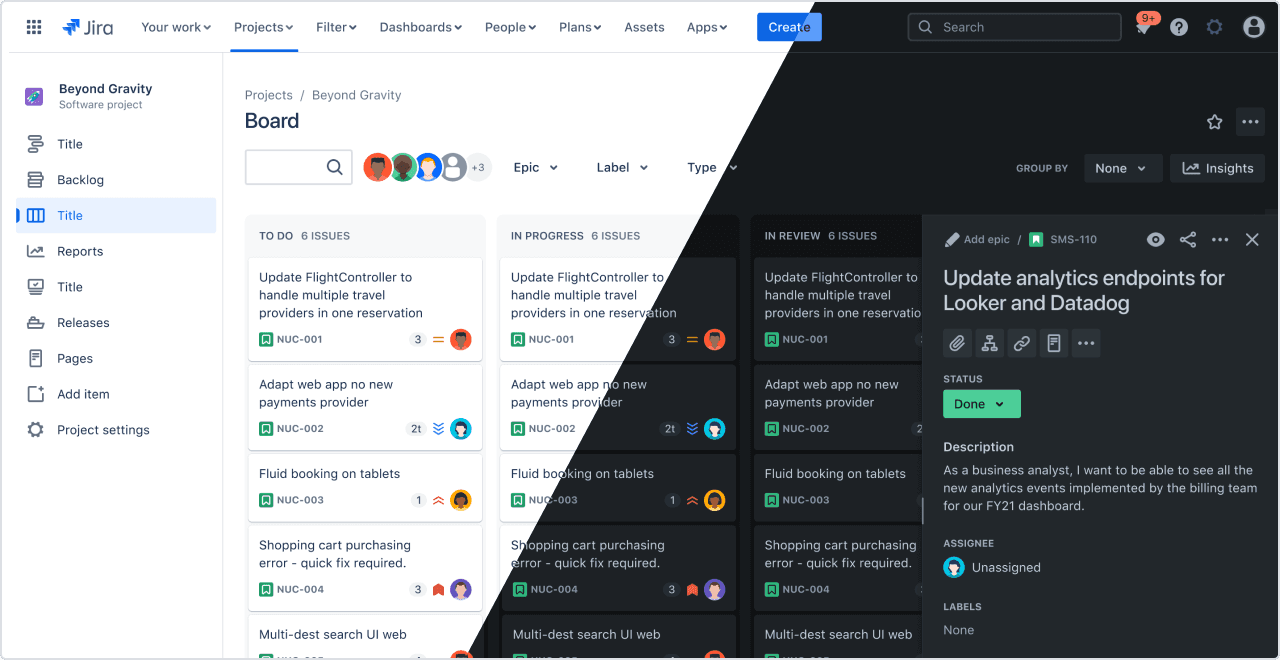
Atlassian was one of the early software companies to invest in building a design system back in 2016, so it has grown into a large and mature resource. The sheer size can feel a bit overwhelming at first, but considering how many products it supports, the system remains surprisingly well organised. Its documentation is clear and makes it easy to quickly find what you need without feeling lost.
Overall, it’s a refined and well-built system with detailed component guidance and strong UI pattern documentation. It’s definitely one of the best design system examples to study if you’re focused on maintaining consistency at scale.
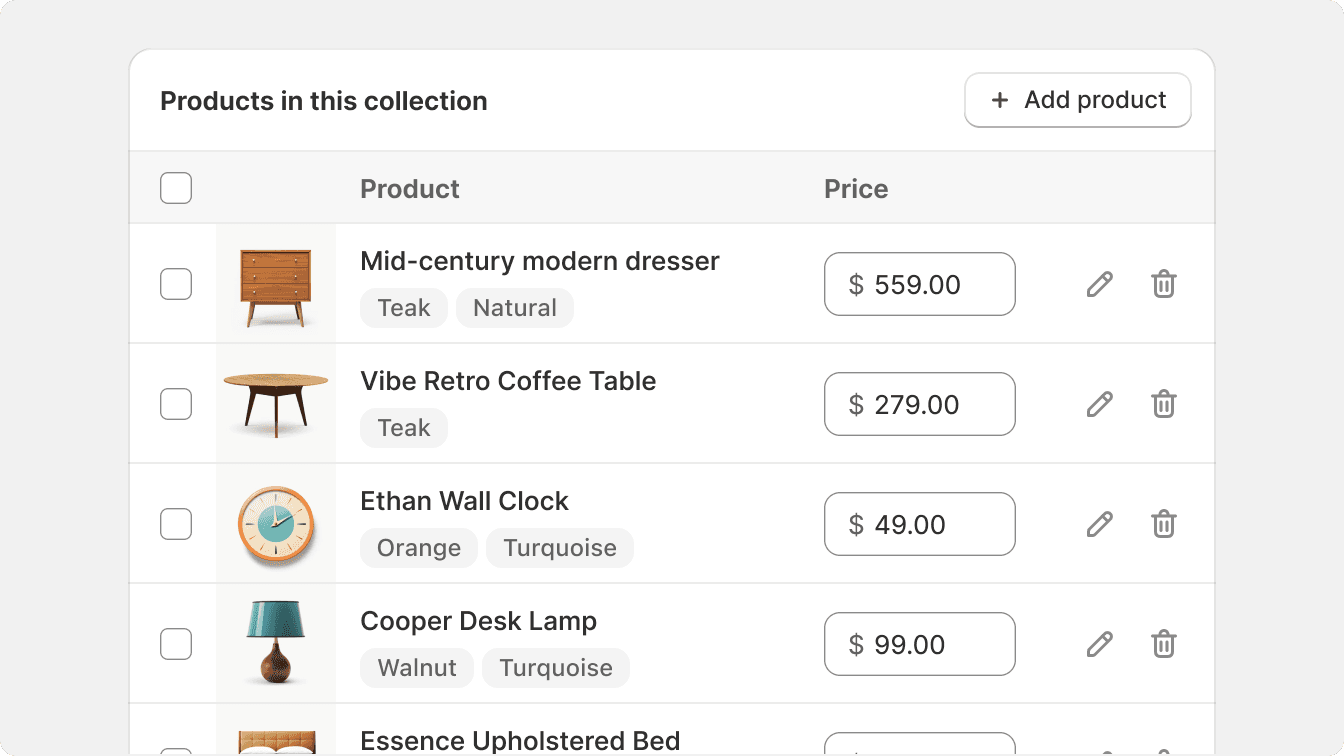
Shopify Polaris Design System
To me, Shopify Polaris is one of the original leaders in this space, evolving from a basic, disconnected style guide into a true design system, a product in its own right within the organisation. Since Shopify supports a wide range of themes, websites, and frameworks, Polaris is built to be highly robust and thoroughly documented, while still flexible enough to allow customisation for a diverse global customer base. Created to maintain consistency across the merchant ecosystem, it offers detailed guidance on UI components, as well as voice and tone.
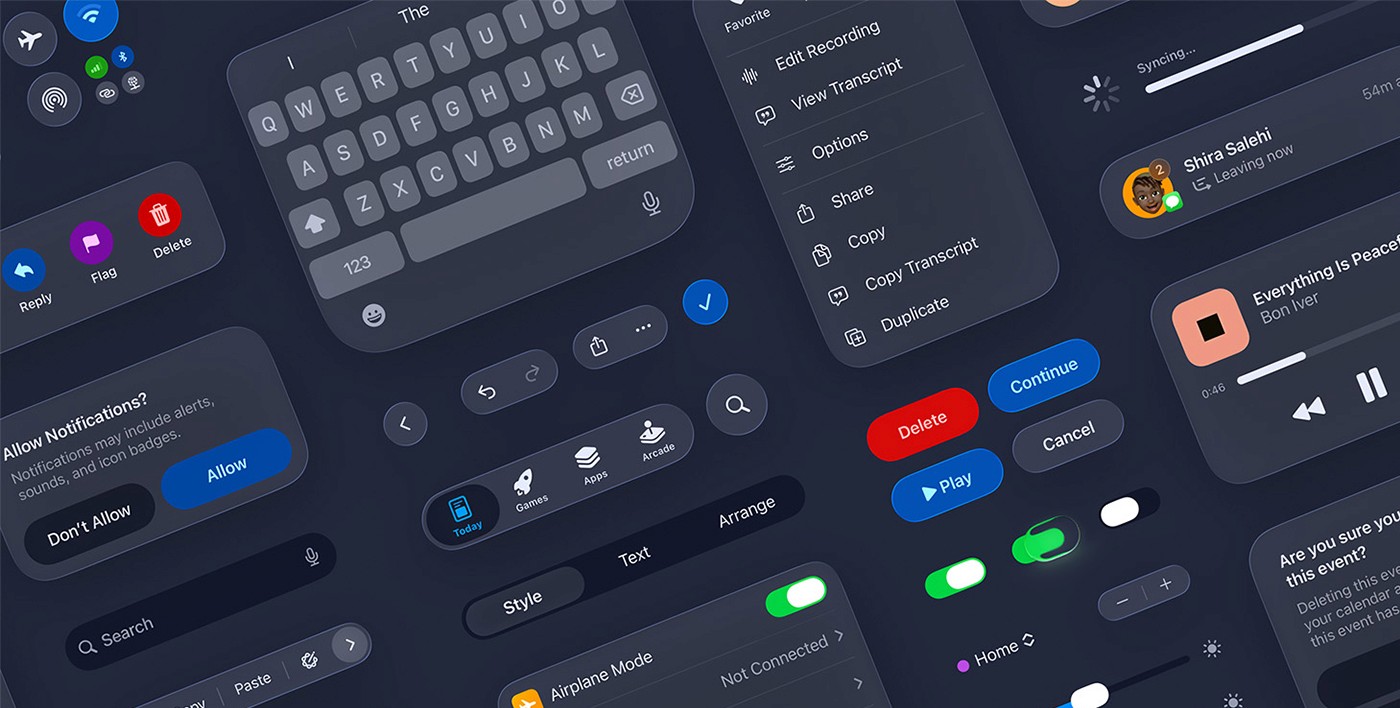
Apple's Human Interface Guidelines (HIG)
Apple’s Human Interface Guidelines are widely recognised as one of the most influential resources in product design. They’re most effective as a set of guiding principles rather than a library of components. The guidelines clearly explain platform behaviours, navigation patterns, motion, and the interaction details that give Apple interfaces their uniquely “Apple” feel.
IBM Carbon Design System
Carbon is IBM's open-source design system for products and digital experiences. Funded and built by IBM, Carbon is open source and available for anyone to use and contribute to. The design system includes detailed guides, components, patterns, principles, standards, and the philosophy of design at IBM.
Need a hand with your Design System?
If you are looking to build your own design system and aren't sure where to start, Balbuena Design can help you build your Design System Foundations from scratch. We usually help customers with their Branding -> Website -> Product -> Design System. Contact us, we'll be happy to help!
Not sure about a design system? Breakdown the cost of NOT having a Design System for an early stage startup.
1-3 hours per day per UX developer is spent on:
Building a component incorrectly
Finding the right colour
Fixing the component to match the design
Early Stage Startup: 1 hour/day x 260 workdays x $100/hr x 3 developers = $78,000 AUD/year
Medium team: 1 hour/day x 260 workdays x $100/hr x 20 developers = $520,000 AUD/year
Large team: 3 hours/day x 260 workdays x $150/hr x 30 developers = $3.5 million AUD/year
Without a Design System, the costs continue to incur. Taking care of the problem and creating a Design System is less than a third than the cheapest option expenditure of an early stage startup. So whether you’re a vested start-up or large enterprise, I’d love to show you what’s possible and how we do it.